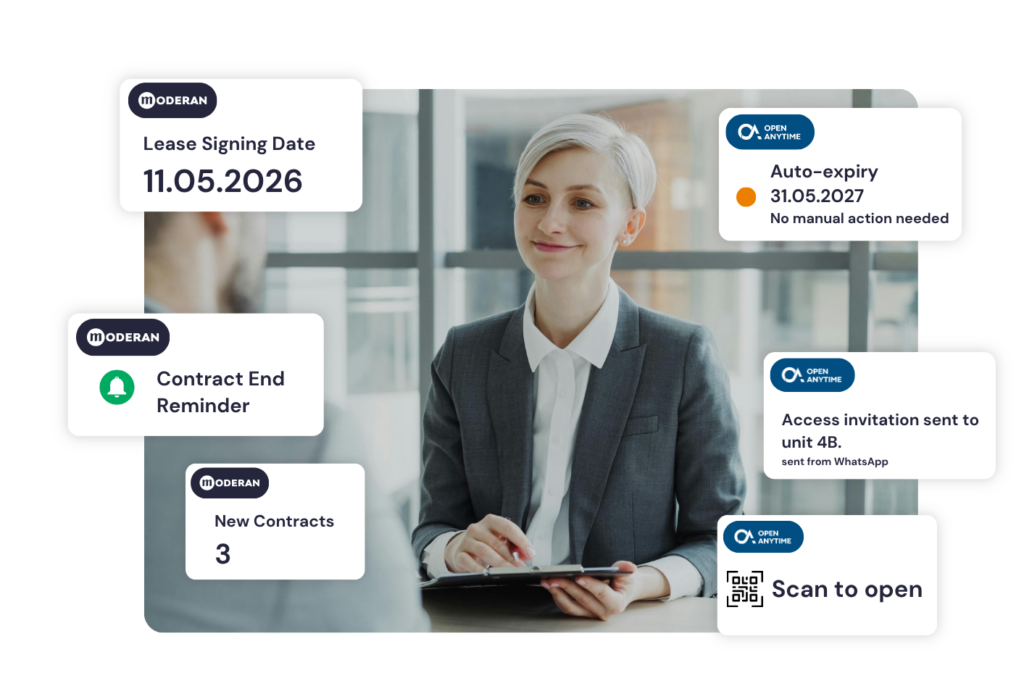
Ten artykuł został stworzony we współpracy Moderan z Open Anytime, rozwiązaniem do zarządzania dostępem z siedzibą w Austrii. Jego celem jest pokazanie, w jaki sposób nowoczesne zarządzanie dostępem można zintegrować z oprogramowaniem do zarządzania nieruchomości oraz zautomatyzować związane z nim procesy.
W dzisiejszych czasach zarządzanie nieruchomościami znacząco przekracza zakres obowiązków pracownika administracji. Zbieranie czynszów i podpisywanie umów najmu to jedynie początek. Codzienne operacje obejmują również dbanie o zadowolenie klientów, koordynowanie pracy dostawców serwisów, zarządzanie udogodnieniami oraz przeglądanie systemów w wielu budynkach jednocześnie.
Wiele z tych zadań jest rozwiązywanych na bieżąco. Inne, które wydają się jedynie jednorazowymi wydarzeniami, w przyszłości pojawiają sie ponownie.
Dobrym przykładem jest zarządzanie dostępem. Obejmuje ono: przekazywanie kluczy, wydawanie kart dostępu oraz nadawanie uprawnień dostępu.
Jeśli, po oznaczeniu zadania jako wykonane, wszystko przebiega zgodnie z planem, nie trzeba do niego wracać aż do kolejnego terminu płatności czynszu lub zakończenia umowy najmu.
Jednak w praktyce zarządzanie uprawnieniami dostępu rzadko wygląda w ten sposób.
Wyzwania w zarządzaniu uprawnieniami dostępu
Wraz z rozbudową portfela nieruchomości zarządzanie uprawnieniami dostępu staje się czymś znacznie więcej niż marginalnym zadaniem administracyjnym. Większa liczba najemców pociąga za sobą więcej zameldowań, wymeldowań i zmian w umowach. Dostawcy usług, takich jak konserwacja, przeglądy, sprzątanie i naprawy, zmieniają się. Każda wizyta wymaga przyznania uprawnienia dostępu, a następnie usunięcia go.
Brak uporządkowanego systemu prowadzi do nawarstwiania się zadań. Zezwolenia są aktualizowane ręcznie, a uprawnienia dostępu nie zostają cofnięte na czas, co sprawia, że coraz trudniej jest przeglądać dostęp konkretnych osób do konkretnych powierzchni.
W związku z tym pojawiają się utrudnienia w codziennej pracy:
- znaczne obciążenie administracyjne w przypadku zmiany najemcy lub dostawcy usług,
- ograniczona przejrzystość aktywnych uprawnień dostępu,
- ryzyko naruszenia bezpieczeństwa wynikające z nieaktualnych lub zapomnianych uprawnień dostępu,
- nieefektywne procesy związane z wydawaniem i odbiorem kluczy.
„Problemy pojawiają się zawsze w momencie zmian. Najemca się wyprowadza, wykonawca kończy swoją pracę i nagle nikt nie wie, czy klucz został zwrócony ani czy brelok dostępu nadal działa”.
Michael Pötsch, Specjalista ds. sprzedaży, Open Anytime
Co może pójść nie tak, gdy dostępem zarządza się oddzielnie?
Problemy rzadko wynikają z samego zarządzania dostępem. Najczęściej są skutkiem braku powiązania danych operacyjnych z systemem fizycznej kontroli dostępu.
Gdy zarządzanie dostępem funkcjonuje niezależnie od danych dotyczących najemców i umów najmu, problemy narastają stopniowo i często pozostają niezauważone. Zespoły nierzadko odkrywają, że klucze lub breloki zbliżeniowe nigdy nie zostały zwrócone albo że nieaktualne uprawnienia nadal umożliwiają dostęp do części wspólnych. Każdy zagubiony klucz wymaga przeglądu zabezpieczeń i opóźnia przygotowanie lokalu dla kolejnego najemcy. Poniżej przedstawiamy najczęstsze problemy.
Uprawnienia dostępu obowiązujące dłużej niż umowa najmu
Fizyczne klucze i breloki zbliżeniowe często nie są zwracane na czas. Gdy zaginą, konieczna jest wymiana zamków lub ponowne zaprogramowanie systemów kontroli dostępu. Utrata klucza głównego może sparaliżować pracę obiektu na wiele godzin, a w zależności od charakterystyki budynku może nawet wymagać wymiany zamków w wielu lokalizacjach.
Uprawnienia dostawców, które kumulują się z biegiem czasu
Firmy zewnętrzne często zachowują klucze główne lub breloki dostepu jeszcze długo po zakończeniu współpracy. Z czasem właściciele i zarządcy budynków tracą kontrolę nad tym, kto ma dostęp do poszczególnych stref. Tę lukę w bezpieczeństwie łatwo przeoczyć dopóki nie dojdzie do incydentu.
Arkusze kalkulacyjne i papierowe rejestry, które przestają odzwierciedlać rzeczywistość
Ręczne aktualizowanie list uprawnień sprawia, że szybko stają się one nieaktualne. Pracownicy nie mają pewności, kto faktycznie posiada dostęp ani które uprawnienia już wygasły. Każda wykryta niezgodność oznacza konieczność przeprowadzenia dodatkowej weryfikacji bezpieczeństwa, angażując czas i zasoby, które można byłoby przeznaczyć na ważniejsze zadania.
Nagłe prośby o dostęp, które obciążają operacje
Organizacja dostępu dla ekip sprzątających, inspektorów czy potencjalnych najemców wymaga telefonów, wysyłania wiadomości e-mail oraz przekazywania fizycznych kluczy. W skali całego portfela te pozornie drobne czynności przekładają się na wymierne koszty, opóźnienia oraz niższą satysfakcję najemców.
„Najwięcej na zintegrowanym zarządzaniu dostępem zyskują obiekty o najbardziej złożonej strukturze, obejmujące wiele budynków, różne modele najmu oraz połączenie najemców długoterminowych i krótkoterminowych. To właśnie w takich środowiskach procesy realizowane ręcznie najszybciej przestają być skuteczne, a automatyzacja przynosi największe korzyści”.
Martin Schröder, Menedżer ds. sprzedaży i ochrony danych, Moderan
Zrównoważone podejście: powiązanie dostępu z danymi systemu zarządzania nieruchomościami
Uprawnienia dostępu nie są czymś stałym. W zarządzaniu nieruchomościami są one bezpośrednio powiązane z wydarzeniami operacyjnymi, takimi jak rozpoczęcie i zakończenie umowy najmu, zmiana najemcy czy wizyta firmy serwisowej. Skuteczne zarządzanie dostępem oznacza utrzymywanie go w zgodności z danymi, które już regulują te procesy. Właście dlatego integracja między systemami do zarządzania najmem, takimi jak Moderan, a platformami kontroli dostępu, takimi jak Open Anytime, ma kluczowe znaczenie.
Gdy zarządzanie dostępem funkcjonuje jako oddzielny proces, każda zmiana wymaga ręcznej koordynacji. Ktoś musi zadbać o to, aby dostęp został przyznany lub odebrany we właściwym momencie. To właśnie uzależnienie od ręcznych działań jest jedną z najczętszych przyczyn blędów i opóźnień.
Zintegrowanie zarządzania dostępem z wykorzystywanym już oprogramowaniem do zarządzania nieruchomości eliminuje tę zależność. Gdy uprawnienia dostępu są automatycznie aktualizowane zgodnie z rzeczywistymi zmianami operacyjnymi, potrzeba ręcznej koordynacji w dużej mierze znika.
Działanie w praktyce
Stały dostęp dla najemców
W tradycyjnym modelu zarządzania najmem zespoły odpowiedzialne za obsługę najemców przekazują fizyczne klucze podczas wprowadzenia się do lokalu i liczą na ich zwrot po zakończeniu najmu. Klucze bywają dorabiane bez wiedzy właściciela lub zarządcy, ewidencja jest prowadzona ręcznie w arkuszach, a jeśli najemca nie zwróci kluczy, konieczna staje sie wymiana lub ponowne zaprogramowanie zamków. Generuje to dodatkowe koszty i opóźnia przygotowanie lokalu dla kolejnego najemcy.
Połączenie systemu kontroli dostępu z danymi dotyczącymi cyklu życia umowy najmu całkowicie zmienia ten proces.
- Po oznaczeniu umowy najmu jako aktywnej w systemie Moderan, Open Anytime automatycznie wydaje najemcy cyfrowe poświadcznia dostępu za pośrednictwem wybranego kanału komunikacji (WhatsApp lub e-mail). Uprawnienia zaczynają obowiązywać od oficjalnej daty rozpoczęcia najmu i obejmują wyłącznie przypisane obszary, takie jak mieszkanie, miejsce parkingowe oraz części wspólne.
- Dostęp jest automatycznie wycofany w przypadku zakończenia umowy najmu. Nie pozostają żadne uprawnienia „widmo”, nie ma również potrzeby odzyskiwania kluczy ani wymiany lub ponownego programowania zamków.
- Różne typy umów mogą być powiązane z różnymi zestawami uprawnień. Przykładowo najemcy przestrzeni coworkingowych mogą otrzymać całodobowy dostęp do stef pracy, natomiast najemcy mieszkań mogą korzystać z części wspólnych wyłącznie w określonych godzinach.
- Wszystkie zdarzenia związane z dostępem są rejestrowane centralnie. W przypadku najmu komercyjnego lub powierzchni niemieszkalnych zarządcy mogą w każdej chwili sprawdzić, kto ma dostęp do danego lokalu oraz na jakiej podstawie zostały przyznane uprawnienia.
Tymczasowy dostęp dla dostawców usług
W wielu budynkach zespoły odpowiedzialne za utrzymanie techniczne i sprzątanie nadal odbierają klucze z biura lub korzystają z głównych kodów dostępu, które nigdy nie są zmieniane. Koordynacja wizyt wymaga licznych telefonów i dodatkowych ustaleń. Gdy pojawiają się problemy, często brakuje wiarygodnych informacji o tym, kto i kiedy przebywał na terenie obiektu.
Dzięki ograniczonemu czasowo dostępowi opartemu na rolach, oferowanemu przez Open Anytime, proces wygląda zupełnie inaczej. Dostawcy usług otrzymują cyfrowe poświadczenia dostępu ważne wyłącznie w zaplanowanym przedziale czasowym. Są one wysyłane automatycznie za pośrednictwem preferowanego kanału komunikacji, dzięki czemu nie ma potrzeby odbierania fizycznych kluczy. Po upływie wyznaczonego czasu poświadczenie wygasa automatycznie.
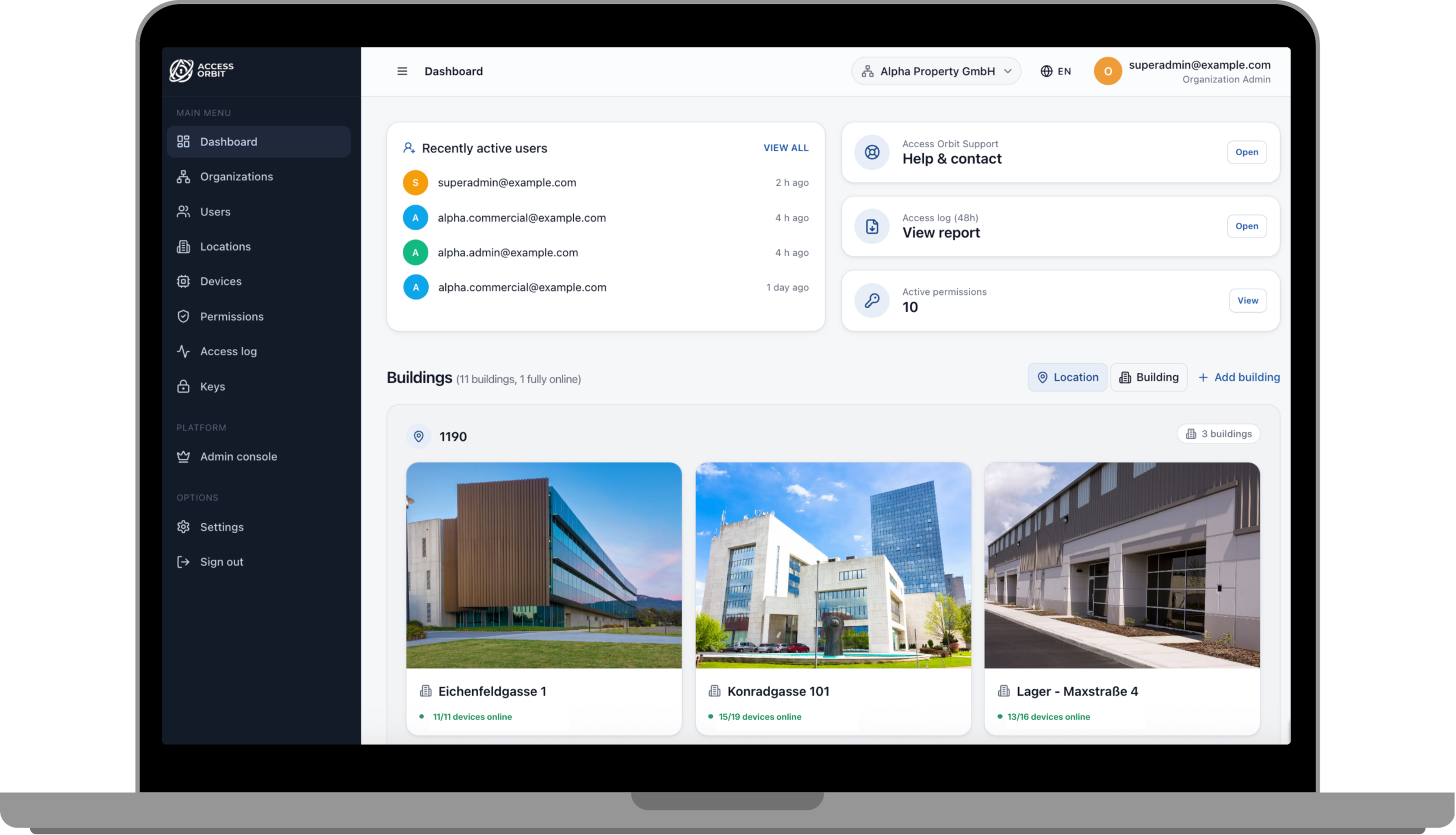
Uprawnienia dostępu są przypisywane do konkretnego zadania. Ekipa sprzątająca może otwierać wyłącznie wskazane części wspólne, natomiast technik otrzymuje dostęp jedynie do serwerowni. Zarządcy budynku mają wgląd w czasie rzeczywistym w historię wejść, dzięki czemu moga sprawdzić, kto i kiedy uzyskał dostęp do obiektu. Mogą również zdalnie nadawać i odbierać uprawnienia, bez konieczności obecności na miejscu.
„Większość naszych klientów nie mierzy się z jednym dużym kryzysem. Zmaga się z setkami drobnych problemów: niezwróconym kluczem, wykonawcą, który ma dostęp sześć miesięcy po zakończeniu prac, czy nowym najemcą czekającym w dniu wprowadzenia się, ponieważ jego poświadczenia dostępu nie zostały przygotowane na czas. Dopiero z perspektywy całego portfela nieruchomości widać, ile czasu pochłaniają zadania, które powinny się odbywać automatycznie”.
Michael Pötsch, Specjalista ds. sprzedaży, Open Anytime
Istniejące budynki zyskują najwięcej
Powszechnym mitem na rynku jest przekonanie, że nowoczesne zarządzanie dostepem ma sens wyłącznie w nowych inwestycjach. W praktyce to właśnie istniejące budynki odnoszą z niego największe korzyści.
Wielu właścicieli nieruchomości zakłada, że modernizacja systemu kontroli dostępu wymaga wymiany całej istniejącej infrastruktury oraz ujednolicenia rozwiązań w oparciu o jednego dostawcę. W rzeczywistości zdarza się to bardzo rzadko. Platforma niezależna od sprzętu może współpracować z istniejącą infrastrukturą budynku, obsługiwać zamki i czytniki różnych producentów oraz być wdrażana stopniowo w całym portfelu nieruchomości.
- Obsługa zróżnicowanych środowisk sprzętowych. Open Anytime współpracuje z rozwiązaniami takich producentów jak SALTO, dormakaba i ASSA ABLOY. Dzięki temu każdą przestrzeń można wyposażyć zgodnie z jej indywidualnymi potrzebami.
- Modernizacja bez kosztownej przebudowy. Inteligentne zamki i czytniki można instalować w istniejącej infrastrukturze oraz krok po kroku integrować z jednolitą warstwą zarządzania dostępem.
- Stopniowe wdrażanie chroni inwestycję i eliminuje uzależnienie od jednego dostawcy. Właściciele nieruchomości mogą rozpocząć wdrożenie od jednego budynku lub nawet jednego piętra, a następnie rozszerzać system wraz z potrzebami.
Ochrona danych, przejrzystość i kontrola
Jednym z mniej oczywistych korzyści wynikających ze zintegrowanego zarządzania dostępem jest znacznie większa przejrzystość. W przypadku tradycyjnych, ręcznie zarządzanych systemów trudno jednoznacznie odpowiedzieć na pytanie: kto obecnie ma dostęp do tego budynku, tego piętra lub tego lokalu i z jakiego powodu?
Dzięki cyfrowemu dostępowi powiązanemu z danymi dotyczącymi najmu i umów, łatwo w każdej chwili znaleźć odpowiedź na postawione pytanie. Każde uprawnienie przypisane jest do konkretnej osoby, konkretnego celu oraz określonego przedziału czasu. Każde wejście jest rejestrowane, a wszystkie zmiany są wprowadzane natychmiast i zapisywane w systemie.
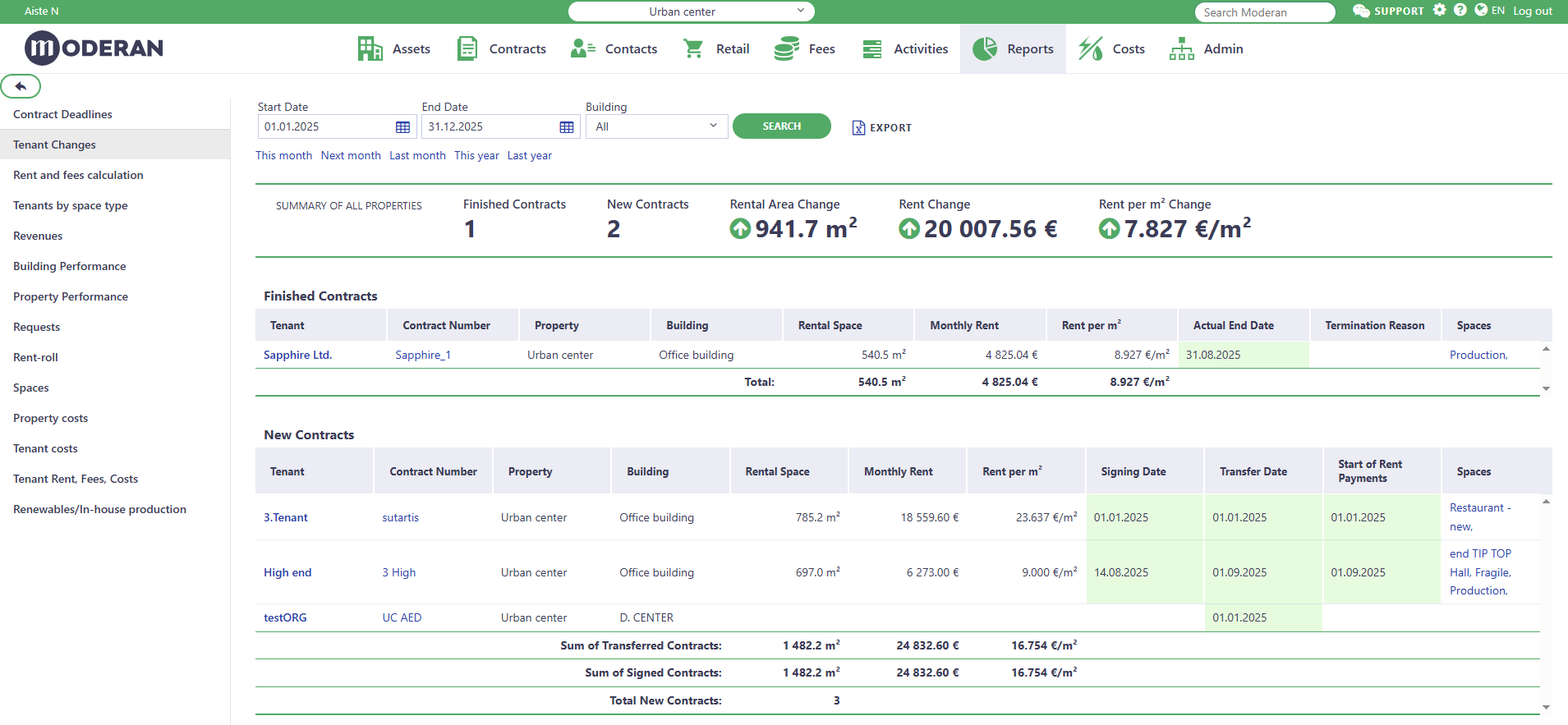
Taka przejrzystość ma ogromne znaczenie dla właścicieli nieruchomości i zarządzających aktywami. Oznacza mniej nieprzewidzianych sytuacji, szybszą reakcję w razie problemów oraz pełny obraz tego, co dzieje się w całym portfelu nieruchomości w danym momencie.
Taki poziom transparentności jest możliwy wyłącznie wtedy, gdy system zarządzania dostępem jest bezpośrednio zintegrowany z danymi dotyczącymi najmu i najemców.
„Dane dotyczące umów najmu już istnieją. Informacje o najemcach również są dostępne. Zintegrowane zarządzanie dostępem sprawia, że rzeczywisty sposób funkcjonowania budynku odzwierciedla to, co wynika z danych. Gdy umowa najmu wygasa, dostęp wygasa wraz z nią. Gdy wprowadza się nowy najemca, dostęp jest gotowy od pierwszego dnia. To właśnie zgodność między danymi, a tym, co faktycznie dzieje się w budynku, zapewnia prawdziwą przejrzystość”.
Martin Schröder, Menedżer ds. sprzedaży i ochrony danych, Moderan
Jak wygląda współpraca Moderan z Open Anytime?
Moderan jest centralną platformą do zarządzania danymi najemców, umowami najmu oraz dostawcami usług w całym portfelu nieruchomości. Open Anytime zapewnia możliwość zarządzania dostępem, dzięki której dane zgromadzone w Moderan są automatycznie wykorzystywane w praktyce. Efektem jest nie tylko integracja systemów, lecz także ciągłość procesów obejmujących zarówno operacje cyfrowe, jak i fizyczne.
Oba systemy są połączone za pomocą API. Każda zmiana wprowadzona w Moderan pociąga za sobą automatyczną aktualizację uprawnień dostępu w Open Anytime. Zespoły zarządzające nieruchomościami nie muszą ręcznie obsługiwać obu systemów, dane wykonują tę pracę za nich.
Taka integracja nie jest przypadkowa. To efekt świadomego podejścia do projektowania platformy Moderan.
„Moderan nie stara się robić wszystkiego. Koncentrujemy się na zarządzaniu umowami najmu, danymi najemców i operacjami portfela, a także budujemy nasz system integracji z partnerami którzy, tak, jak my, specjalizują się w swoich obszarach. Open Anytime jest tego dobrym przykładem. Świetnie radzi sobie z zarządzaniem dostępem. Integracja działa, ponieważ oba narzędzia zajmują się tym, do czego zostały stworzone”.
Martin Schröder, Menedżer ds. sprzedaży i ochrony danych, Moderan
Korzyści w codziennej pracy
Dla zespołów zarządzających nieruchomościami oznacza to przede wszystkim mniej czasu poświęcanego na zarządzanie kluczami, mniej kontaktów z wykonawcami oraz koniec ręcznych aktualizacji przy każdej zmianie umowy najmu. Nowi najemcy automatycznie otrzymują uprawnienia dostępu w dniu rozpoczęcia najmu, a po zakończeniu umowy dostęp jest automatycznie odbierany.
Wraz z rozwojem portfela nieruchomości zarządzanie dostępem nie wymaga proporcjonalnego zwiększania nakładów pracy. Liczba budynków, drzwi, najemców czy dostawców usług może rosnąć bez konieczności zwiększania obciążenia administracyjnego.
„Na podstawie naszych doświadczeń z klientami widzimy, że automatyzacja zarządzania dostępem, powiązana z istniejącymi danymi, pozwala wyeliminować nawet do 70% ręcznej pracy związanej z koordynacją dostępu. To ogromna oszczędność czasu, jeśli weźmiemy pod uwagę, ile godzin tygodniowo zespoły zarządzające nieruchomościami poświęcają na te zadania”.
Michael Pötsch, Specjalista ds. sprzedaży, Open Anytime
Dla właścicieli nieruchomości i menedżerów aktywów oznacza to kolejny krok w kierunku procesów operacyjnych, które nie zwiększają poziomu złożoności organizacyjnej. Zarządzanie dostępem staje się integralnym elementem codziennych procesów, a nie osobnym zadaniem wymagającym dodatkowej koordynacji.
Chcesz poznać działanie tej integracji?
Jeśli chciałbyś przekonać się, jak integracja Moderan i Open Anytime może usprawnić zarządzanie Twoim portfelem nieruchomości, skontaktuj się z Martinem Schröderem, aby umówić się na prezentację na żywo. Z przyjemnością pokażemy wszystkie możliwości i odpowiemy na Twoje pytania.
Poznaj Moderan
Moderan jest platformą do zarządzania nieruchomościami, stworzoną z myślą o zarządzaniu portfelami nieruchomości na dużą skalę. Łączy w sobie zarządzanie umowami najmu, danymi najemcy oraz procesami operacyjnymi w jednym miejscu.
O Open Anytime
Open Anytime to austriacka platforma do zarządzania dostępem, niezależna od wykorzystywanego sprzętu. Umożliwia nadawanie czasowych uprawnień dostępu opartych na rolach dla nieruchomości każdego typu i każdej wielkości. Aby uzyskać więcej informacji skontaktuj się z Michaelem Pötschem i umów się na prezentację.